
B2B PORTAL

When you’re miles offshore, the last thing you want to think about is a $10 part failing. While the convenience of online "bargain" shopping is tempting, using sub-standard components in a harsh saltwater environment is a gamble that rarely pays off. From overheating engines to dangerous electrical fires, the "cheap" route often leads to the most expensive repairs.
| Feature | Sierra / OEM-Spec Parts | "Bargain" Online Parts |
|---|---|---|
| Engineering | Designed to precise OEM specifications | Often "universal" fit; rarely precise |
| Materials | Marine-grade (Tinned wire, Bronze, Marelon) | Potentially inferior or non-marine grade |
| Durability | Saltwater & Ethanol resistant | High risk of corrosion or chemical breakdown |
| Warranty | Limited Lifetime Warranty (Sierra) | Usually none or very limited |
In the "old days," you relied on the expertise of a local shop clerk to ensure you had the exact right part for your engine. Today, the digital marketplace is flooded with "knock-offs" that look identical but perform poorly under pressure. Here are the five critical areas where cutting corners can ruin your day—or your boat.
A simple rubber impeller is all that stands between a smooth ride and a melted engine. Cheap versions often use inferior rubber compounds that disintegrate after just a few trips.
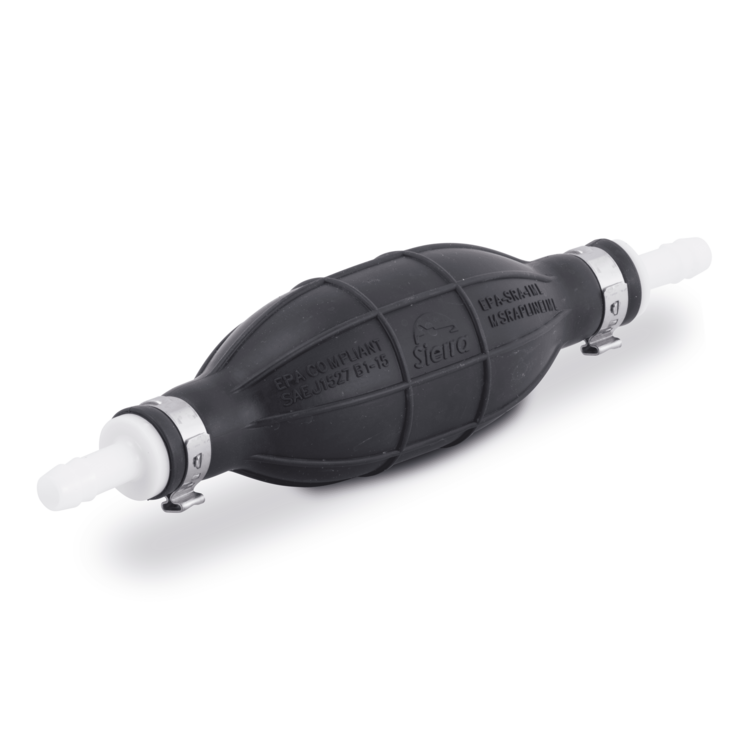
Marine fuel often contains ethanol, which is chemically aggressive toward non-marine plastics and rubbers.
Any hose below the waterline is a potential point of entry for the ocean.
Salt air is a conductor's worst enemy. Unlike standard copper wire, quality marine wire is tinned to resist the "green death" of corrosion.
Thru-hulls and seacocks are critical to your boat's safety. These components must withstand constant vibration and saltwater exposure.
For over 60 years, Sierra has been the gold standard for replacement parts in the boating industry. By choosing Sierra, you aren't just buying a part; you’re buying the confidence to explore further.
Ready to give your boat the care it deserves?
Browse the extensive Sierra catalog to find the exact fit for your engine and systems.



Leave a comment